Following Jesus among the Turkic people of Uzbekistan
In a small city in Uzbekistan, Jamshid* keeps his faith quiet Each morning, before the streets begin to fill, he wakes early and opens his Bible on his phone. He reads only for a few minutes. Then he closes it again, careful not to leave anything visible. Even something as simple as reading Scripture requires caution.
For Jamshid, following Jesus is not something he can do openly. It is something he carries carefully, day by day.
Uzbekistan is a place where faith and identity are deeply connected. Most people come from a Muslim background, and religion is closely tied to family, culture, and community. To follow Christ is often seen not just as a personal decision, but as stepping away from everything that has always defined you.
Jamshid understood this when he first began asking questions about Jesus. It started quietly, through conversations with a trusted friend. There were no public gatherings or visible churches. Just small, careful steps toward understanding.
Over time, those conversations led him to faith. But faith came with cost.
He has not told most of his family. He avoids certain topics when he is with them. He is careful about who he speaks to and where he goes. Even meeting with other believers must be planned carefully, often changing locations and times to avoid attention.
Still, Jamshid is not alone.
Across Uzbekistan, small groups of believers meet quietly in homes. They gather in ones and twos, sometimes only a handful at a time. They read Scripture, pray together, and encourage one another. These meetings are simple, but they are deeply meaningful. In a place where faith must remain hidden, even a small gathering becomes a source of strength.
Jamshid is part of one of these groups. When they meet, there is always a sense of caution, but also a deep sense of peace.
“I used to think life was about stability,” he shared. “Now I see that it is about truth.”
“Then you will know the truth, and the truth will set you free.” —John 8:32
That truth has changed the way he lives.
Even in a place where faith must remain quiet, the Gospel continues to spread. People are searching. Questions are being asked. And through relationships built on trust, many are encountering Christ for the first time.
A Faith That Must Be Lived Carefully
For many believers in Uzbekistan, following Jesus requires wisdom in everyday life. Churches are closely monitored, and religious activity outside of approved settings is restricted. Because of this, many Christians choose to meet in homes, keeping their gatherings small and discreet.
Pressure often comes not only from authorities, but from family and community. To follow Christ can be seen as turning away from one’s heritage. This can lead to rejection, isolation, or even threats.
And yet, in the midst of these challenges, believers continue to hold on to their faith.
They live one day at a time. They build trust slowly. They share the Gospel carefully, often through quiet conversations rather than public proclamation.
In this environment, faith is not loud, but it is strong.
That wisdom shapes how believers live, speak, and serve. It allows the Church to continue growing, even when it cannot be seen.
A Growing Church in Quiet Places
Though it is not always visible, the Church in Uzbekistan is growing. New believers are coming to faith through relationships, questions, and personal encounters
with God.
Scripture is shared carefully. Encouragement is passed from person to person. Small groups become places of discipleship, where believers learn what it means to follow Jesus in a setting that requires both courage and patience.
For Jamshid and many others, faith is not something that can be separated from daily life. It shapes how they think, how they treat others, and how they respond to uncertainty.
Even in silence, their lives point to something greater.
“The light shines in the darkness, and the darkness has not overcome it.” —John 1:5
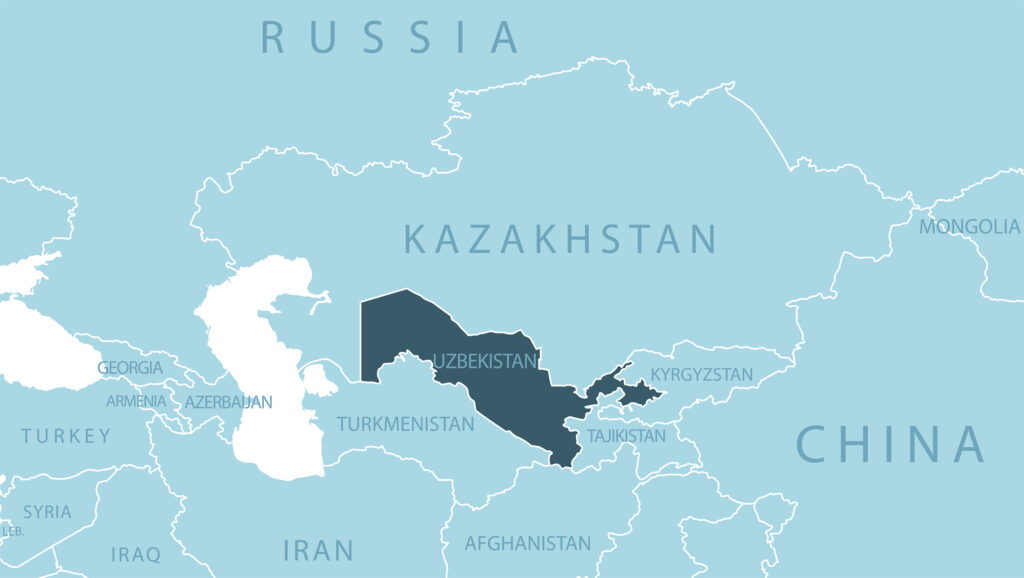
Snapshot: Uzbekistan
Uzbekistan is a Central Asian nation where the majority of the population identifies as Muslim, and religious life is closely tied to cultural identity.
Christian believers, especially those from a Muslim background, often practice their faith quietly. Public expression of faith can bring social pressure, and gatherings are typically small and discreet.
Churches that operate outside of state registration face restrictions, and believers must be cautious in how they meet and share their faith.
Despite these realities, local Christians continue to gather, disciple one another, and live out their faith through relationships and daily life. In this environment, even small acts of faith carry deep meaning.
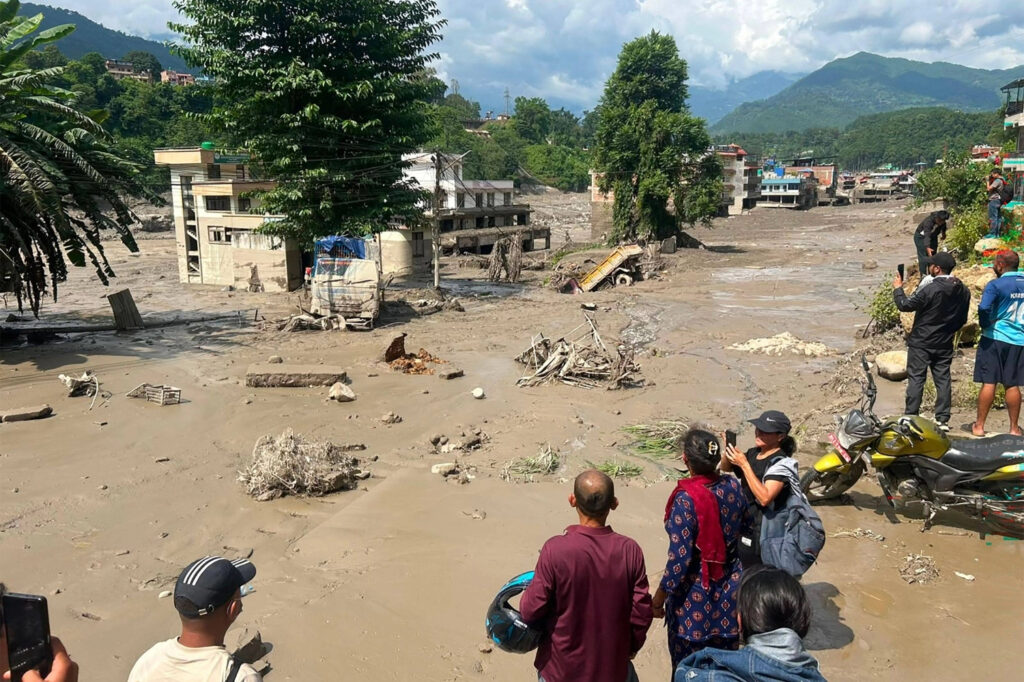
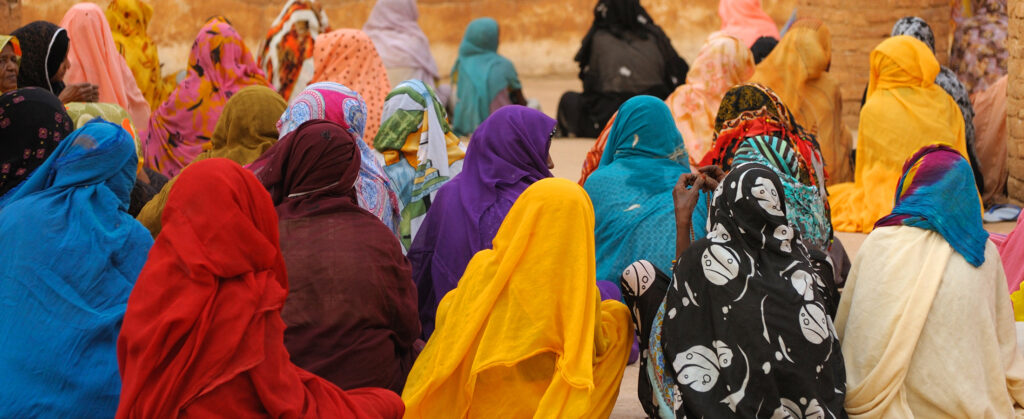
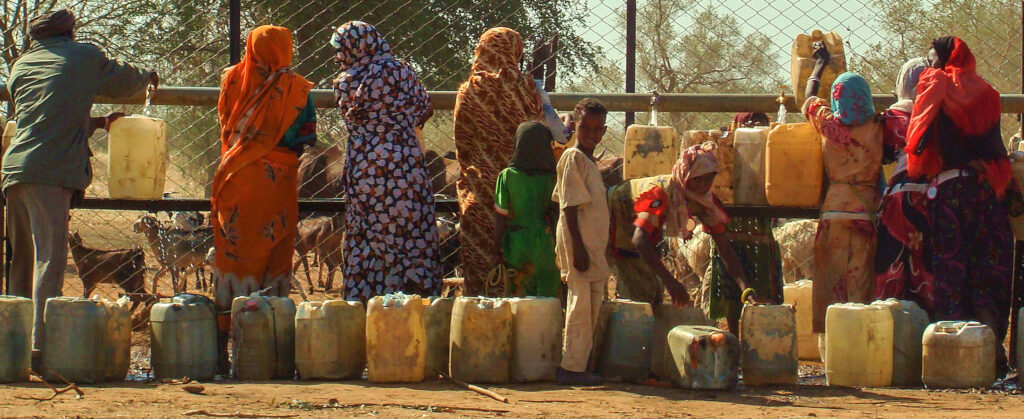
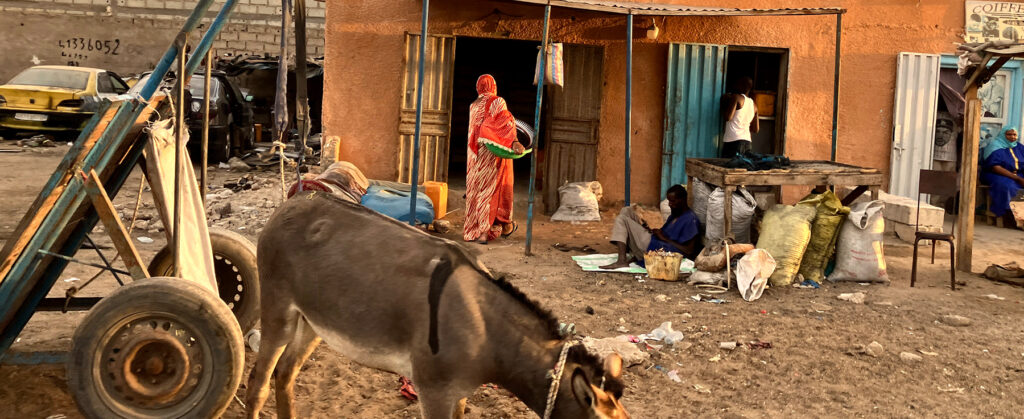
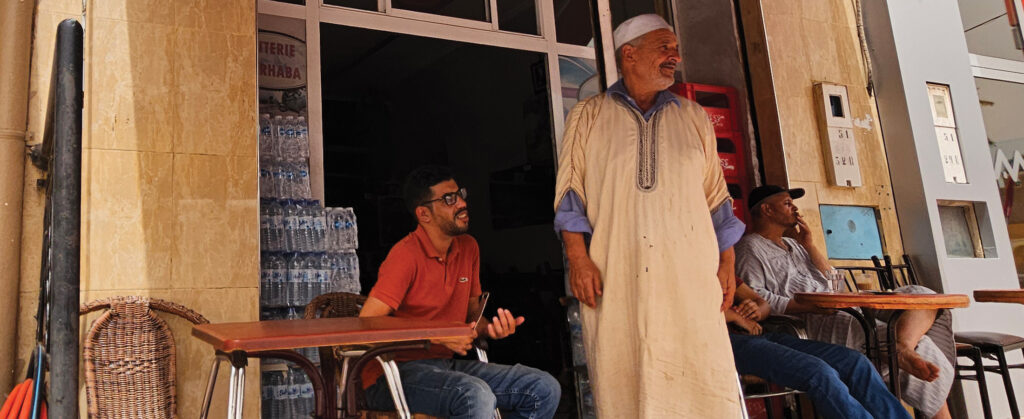
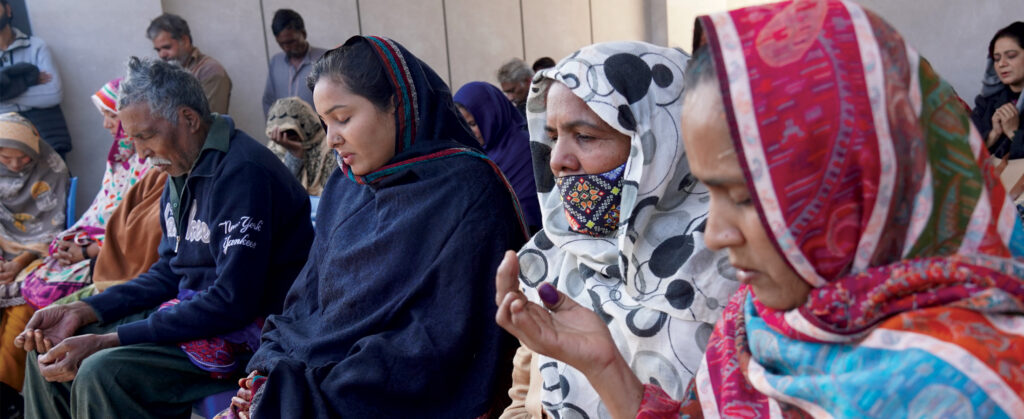
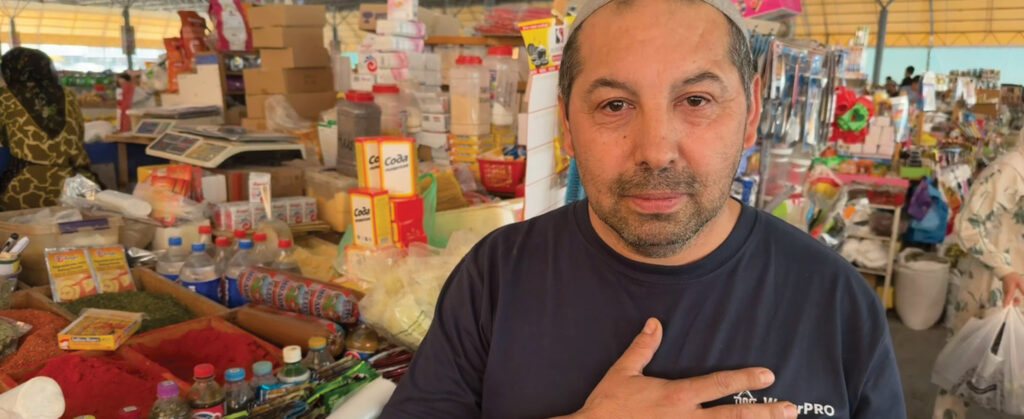
*To protect privacy and help ensure safety, all images and names shown are representative and not of the actual people or events mentioned.