Stories of Hope from North Africa
Across North Africa, when the month of Ramadan arrives, daily life changes completely. Shops close early, streets fall quiet in the heat of the day, and when the sun sets, families fill their homes with laughter, music, and food. For most people, this month is a time of community.
But for Christians, especially those who once followed Islam, Ramadan can be one of the loneliest times of the year.
Marc*, a believer from North Africa, knows this well.
“Ramadan is the hardest month of the whole year,” he said. “We Christians eat, but only in secret—never outside, never where people can see us.”
Because he lives among practicing Muslims, Marc must carefully hide his peace and joy. “People around me get tense and short-tempered during the fast,” he said. “I have to make sure no one notices I’m in a good mood—otherwise they’ll know I’m not fasting.”
During Ramadan, former Muslims like Marc often feel cut off. “Every night, families gather to break the fast,” he said quietly. “But I’m not part of that anymore. I feel like a foreigner in my own country.”
Marc admits that it’s painful to watch his community strive for holiness while ignoring deeper truths.
“To me, Ramadan feels like a month of hypocrisy,” he said. “People think that if they fast for a month, they can live however they want for the other eleven. I can’t pretend anymore.”
Still, despite the loneliness, Marc and other believers remain faithful. They meet quietly with a few others to pray and share a meal, remembering that their identity is in Christ—not in what others expect them to be.
Rami*, a Christian from the Middle East, also lives in a Muslim-majority nation. “During Ramadan, people are focused on their own rituals,” he said. “But love can open doors that words cannot.”
Last year, Rami and his wife invited a poor Muslim family to share dinner with them. “They were surprised. ‘Why would a Christian invite us for a Ramadan meal?’ they asked. I told them, ’Because we love you.’”
At the end of the evening, the guests had tears in their eyes. “They said no one had ever invited them before. We were the first Christians to do that. It completely changed how they saw us.”
For Rami, this is what it means to live like Jesus. “Sending a Bible verse over WhatsApp doesn’t move people,” he said. “But when you spend time with them, share a meal, laugh together—that touches their hearts.”
As believers across the Muslim world quietly live out their faith, their love reflects the truth of Scripture: “By this everyone will know that you are my disciples, if you love one another.” —John 13:35
Stories of Hope from Muslim Background Believers
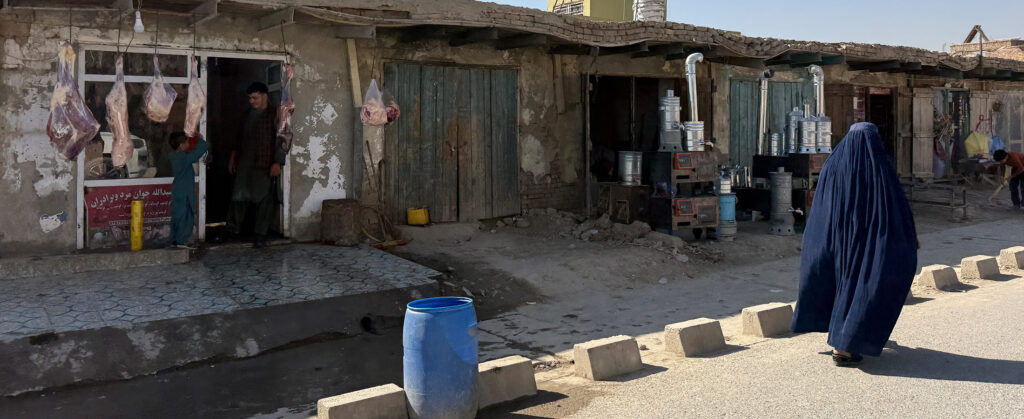
When Aisha* sat down with her young son in a crowded refugee center, she looked like many of the other women in the room. Her long black robe and veil covered her completely, leaving only her eyes visible. But what happened next would change her life forever.
Pietro*, an experienced trauma counselor from abroad, had come to help refugees process the pain of war and loss. He quietly took a seat near Aisha, her son, and a translator. Moments later, Aisha’s voice rang out—loud, emotional, and full of pain.
“Enough!” she cried in Arabic. She pulled off her veil and threw it to the ground. “I’m done serving a god and a culture that tell me I must hide behind a veil because I’m unclean and unworthy as a woman! I’m done hearing that my words count for only half as much as a man’s. And I refuse to keep believing that our problems are always someone else’s fault.”
The entire room fell silent. No one knew how to respond.
Then Aisha turned to Pietro and asked, “Didn’t I see you with a Bible yesterday? What does Jesus say about women?”
Pietro paused, then opened a short video about Jesus and the Samaritan woman at the well. As the story played, tears streamed down Aisha’s face.
“That woman—she wasn’t Jewish, and yet Jesus asked her for water?” she said softly. “That happened not far from where I used to live. And she didn’t have to hide her face from Him?”
She exhaled deeply, then whispered, “I want to know this Jesus better. I want to know how God really sees me. Who can tell me more about Him?”
That day, Aisha took a courageous step—leaving behind the beliefs she had always known to begin a new life in Jesus Christ. It was the start of a long journey of healing and freedom.
Through our partners in the region, thousands of Muslims are discovering the truth of Christ’s love—just like Aisha. In recent months alone, more than 5,000 men and women across the Middle East and North Africa have said “yes” to Jesus through ICR networks. Many face rejection or threats from family and community, but they are not alone.
Our local teams walk alongside these new believers—offering discipleship, counseling, and the assurance that their new identity in Christ is secure.
“The woman said, ‘Come, see a man who told me everything I ever did. Could this be the Messiah?’” —John 4:29
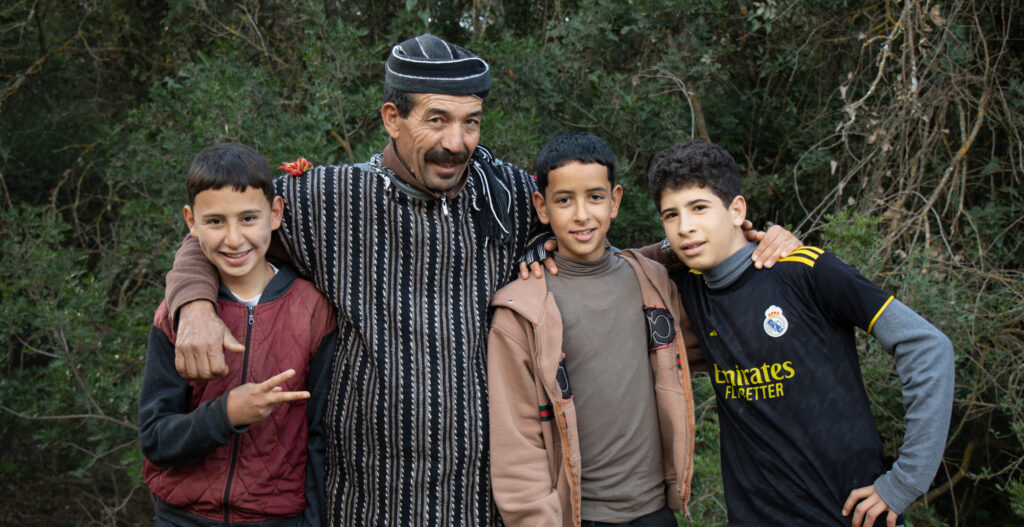
*To protect privacy and help ensure safety, all images and names shown are representative and not of the actual people or events mentioned.